Why a General Contractor Is Essential: Accessing Professional Knowledge and Optimal Performance for Your Upcoming Project
The construction domain depends on the critical role of a general contractor. They act as coordinators, overseeing numerous aspects of a project to make certain everything runs smoothly. Their expertise can result in improved budgeting and time management. However, many fail to recognize the profound impact a general contractor can have on the total success of a project. Understanding these merits is vital, especially when starting your next construction venture. What factors should be considered before making this determination?
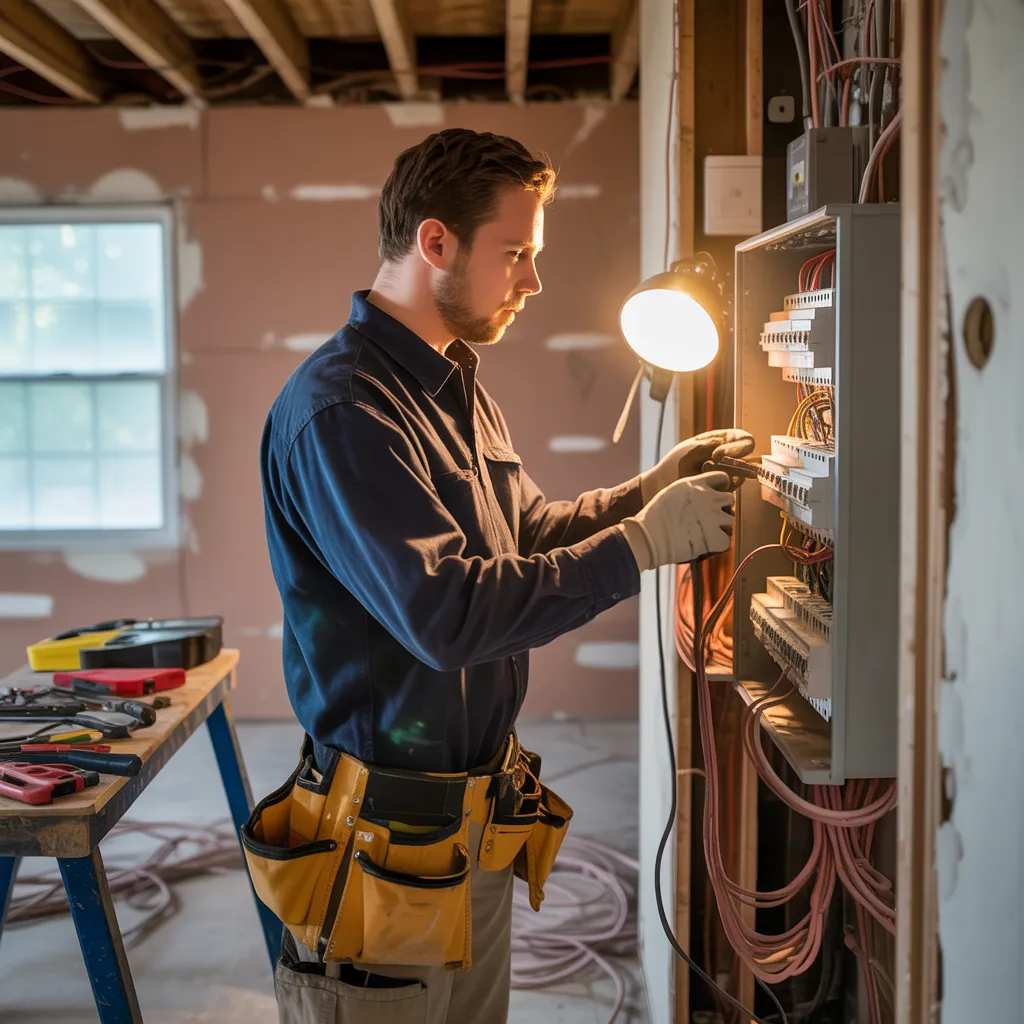
The Role of a General Contractor in Construction Projects
General contractors fulfill an important role in the success of construction projects. They function as the central point of coordination, handling various aspects of the project from initiation to completion. This includes bringing on subcontractors, coordinating tasks, and managing daily operations on-site. A general contractor confirms that the project follows timelines and budgets while maintaining conformity to local building codes and regulations.
Perks of Hiring a General Contractor
Hiring a general contractor can significantly enhance the effectiveness and success of a construction project, as they bring skill and experience to the table. One of the primary perks is their ability to oversee complex projects, organizing various trades and guaranteeing that timelines are met. This coordination reduces delays and facilitates communication among subcontractors, suppliers, and clients.
Furthermore, general contractors have in-depth knowledge of building codes and regulations, guaranteeing compliance throughout the project. Their established relationships with subcontractors can bring about higher quality work and more dependable service, as they often have trusted teams they partner with regularly.
Moreover, general contractors are excellent at problem-solving and can quickly address unforeseen issues that may emerge during construction. This forward-thinking approach serves to preserve project momentum and lessens the chance of costly disruptions. In general, hiring a general contractor can significantly contribute to a more seamless, more successful construction experience.
Expert Budget and Cost Management Services
Financial management and budgeting skills serve as vital benefits that general contractors bring to a project. They offer accurate budget estimations and acquire materials economically, ensuring financial resources are utilized wisely. In addition, their experience permits them to skillfully address unexpected expenses that may develop during the construction process.
Accurate Budget Calculation
When beginning a construction project, dependable budget estimation plays a crucial role in maintaining financial success and project viability. A general contractor brings invaluable expertise in establishing meticulous and viable budgets that account for all aspects of the project. By assessing labor costs, materials, permits, and unforeseen expenses, they provide a detailed financial plan that minimizes the risk of budget overruns. Their experience allows them to identify potential pitfalls early in the planning phase, ensuring that clients are thoroughly educated and equipped. Additionally, general contractors can employ their industry connections to gather dependable pricing information, further improving the reliability of the budget. This precise approach to budget estimation ultimately creates more seamless project execution and greater client satisfaction.
Budget-Friendly Raw Material Acquisition
While sourcing materials can be a challenging task, general contractors excel in finding cost-effective options that align with project budgets. Their vast industry connections allow them to negotiate more favorable prices with suppliers, making sure that clients receive high-quality materials without overspending. General contractors keep informed about market trends and material availability, which assists them make timely decisions that optimize costs. They are skilled in evaluating various material options, assessing factors such as durability, aesthetics, and price. By leveraging their expertise, general contractors can recommend alternatives that maintain project integrity while keeping expenses in check. This strategic approach not only enhances the overall project efficiency but also maximizes the client's return on investment, making them invaluable in the construction process.
Navigating Unanticipated Expenditures
Navigating the complexities of construction projects often requires proficient management of unexpected expenses. General contractors bring invaluable budgeting expertise to the table, allowing them to anticipate potential financial pitfalls and develop strategies to mitigate them. Their comprehensive experience allows for more accurate cost estimates and the identification of cost-saving opportunities throughout the project lifecycle. When unforeseen issues occur, such as material price increases or labor shortages, general contractors can quickly adjust budgets and reallocate resources without compromising project timelines. Additionally, their established relationships assessment with suppliers and subcontractors often result in better negotiation power, helping to decrease the financial impact of unexpected expenses. Ultimately, their proactive approach secures projects remain on track and within budget, safeguarding the client's investments.
Time Efficiency and Project Management
Project management and time efficiency are critical elements of a general contractor's role. By adopting well-organized scheduling processes, they confirm that projects advance efficiently and punctually. Moreover, synchronized team communication promotes collaboration, reducing delays and improving overall productivity.
Optimized Scheduling Procedures
How can streamlined scheduling processes enhance efficiency in construction projects? Through implementing organized timelines and clear deadlines, general contractors support smoother workflows. They utilize project management software to allocate resources effectively, guaranteeing that tasks are completed in sequential order without unnecessary delays. This structured approach decreases clashes and overlaps among subcontractors, permitting efficient use of labor and materials. Additionally, a well-defined schedule allows quick adjustments in response to unexpected challenges, thus reducing downtime. The integration of real-time tracking further strengthens accountability, as it permits all stakeholders to follow progress and make informed decisions. Finally, streamlined scheduling not only speeds up project completion but also supports maintaining budgetary constraints, supporting overall success in construction endeavors.
Synchronized Team Interaction
Although clear communication is crucial in any project, synchronized team communication becomes particularly important in the construction industry. A general contractor functions as the central connection among various stakeholders, including subcontractors, suppliers, and clients. This role guarantees that all parties are aligned in their goals, deadlines, and responsibilities. By providing real-time updates and addressing concerns immediately, a general contractor increases time efficiency and reduces misunderstandings. Moreover, regular team meetings and communication tools improve information flow, allowing for quick problem-solving and decision-making. As a result, projects advance smoothly, minimizing delays and costs. Ultimately, organized team communication not only promotes a collaborative environment but also significantly contributes to the triumphant completion of construction projects.
Entry to a Network of Professional Professionals
Having access to a network of skilled professionals is a major advantage for general contractors. This network includes a wide array of tradespeople, such as electricians, plumbers, carpenters, and masons, each with specialized expertise. General contractors use these relationships to assemble a reliable team suited to the specific requirements of a project, ensuring high-quality workmanship.
Having the ability to access trusted professionals allows for efficient scheduling and resource allocation, decreasing delays and keeping projects on schedule. Additionally, general contractors can select individuals who have a proven track record, which reduces the risk of bringing on inexperienced workers. This access also promotes collaboration, as teams can work together effectively, enhancing overall project coordination.
In the end, a general contractor's proven network of skilled professionals not only simplifies the construction process but also enhances the quality of work delivered, producing a successful outcome for any project.
Handling Permits and Regulations Effortlessly
Maneuvering through the complicated landscape of permits and regulations can be intimidating for those new to the construction industry. General contractors have the expertise to streamline this process, ensuring compliance with local, state, and federal laws. They are experienced with the specific requirements of each project, which can differ significantly by location and type of construction.
By utilizing their expertise, general contractors can quickly acquire necessary permits, preventing delays that often occur due to regulatory hurdles. They also maintain relationships with local authorities, facilitating smoother interactions and faster approvals.
In addition, contractors remain updated on changes in regulations, protecting clients from potential penalties or violations. Their ability to navigate the complicated web of rules permits property owners to focus on other aspects of their projects, guaranteeing efficiency and peace of mind throughout the construction process. Finally, hiring a general contractor eases the regulatory journey, making it an essential investment for any building undertaking.
Frequently Asked Questions
How Do I Select the Right General Contractor for My Project?
Picking the right general contractor requires investigating their credentials, evaluating past projects, obtaining references, assessing communication skills, and ensuring they grasp the project scope. Analyzing multiple bids can also help identify the best fit for individual needs.
What Fees Can You Expect When Hiring a General Contractor?
Common fees for employing a general contractor include a percentage of the total project cost, commonly ranging from 10% to 20%, in addition to potential additional charges for materials, permits, and unexpected expenses that may occur.
Can a General Contractor Handle Design and Architectural Services?
Yes, a general contractor can handle design and architectural services, frequently working with architects or using in-house designers. This integration facilitates streamlined communication and project execution, making certain that visual and operational targets correspond throughout the construction process.
What Occurs if the Project Surpasses Budget or Schedule?
When a project goes over budget or timeline, the general contractor typically reviews the plan, engages with stakeholders, and implements cost-control measures. Adjustments may include renegotiating contracts, reorganizing work schedules, or seeking additional funding.
By What Means Do General Contractors Guarantee Quality in Their Work?
General contractors guarantee quality by employing skilled labor, following industry standards, carrying out regular inspections, overseeing subcontractors effectively, and maintaining open communication with clients. Their expertise serves to minimize risks and enhance project outcomes throughout the construction process.